
The infrastructure for wastewater and water has advanced beyond gravity-based systems. Pumping solutions that are engineered are crucial to ensure that water flows efficiently and safely as communities expand and the land is difficult to develop. A properly designed pump station can be utilized for anything from stormwater and wastewater management to industrial operations as well as drinking water supplies.
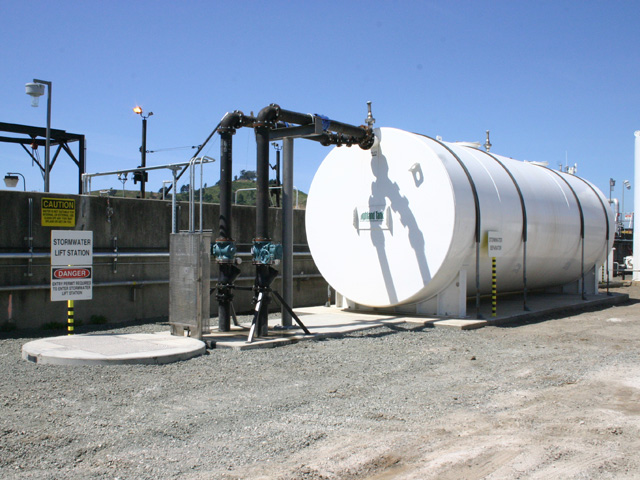
Each pumping unit is unique depending on the elevation, to flow requirements, water quality, and even the requirements for ownership. The early identification of these issues during the design phase will help reduce long-term operational issues and ensures that the system operates according to the specifications for years.
What is the reason a package pumping device must be project-specific
Package pumping systems are developed to be an integrated system, not simply an off-the-shelf collection of components. How a system is designed is dependent on numerous variables, including the location’s circumstances, environmental laws and operational objectives. Each facility requires various structural designs, control strategies and pump configurations.
Engineers can make better judgments by analyzing upfront flow rates, duty-points, as well as lifecycle cost estimates. This process minimizes changes, prevents costly surprises in construction, and helps align expectations among stakeholders starting from the beginning.
Modern Development Modern Development: Wastewater Lifting Stations
In order to accommodate the expanding urban area sewer infrastructure will have to be upgraded to accommodate new terrains and expanded service areas. These systems are crucial in areas where gravity flow cannot meet the demands.
Wastewater lift stations need to be able handle varying flows, handle solids and corrosion resistance and conform to regulatory requirements. Municipal systems usually focus on long-term durability and maintenance ease, while industrial or private systems might focus on the capacity and flexibility. Custom-designed engineering ensures that pumps, control systems, and structures are chosen in accordance with the operating conditions of the area.
Stormwater Lift Stations and Environmental Protection
The need for managing stormwater is rising as development density increases and weather patterns change. A well-designed stormwater lift station helps control runoff, manage detention ponds, and reduce flooding risks. These systems help protect the environment because they direct stormwater to be treated prior to it being released into natural waters.
Stormwater pumps have to function reliably with a variety of flow conditions, ranging from light rain to intense storms. Engineers take into consideration peak flows, seasonal fluctuations, as well as the long-term sustainability of these stations. Flexible pump technologies and the choice of materials allows the systems to change over time to changing demands.
Pumping applications to Industrial as well as Clean Water
Pump stations don’t just serve the needs of municipal authorities. Industries rely on pumping systems to deal with high-temperature fluids, high-pressure processes, chemicals, and oily water. aggressive waste streams. Designing for these environments requires an expert knowledge of the subject and careful selection of the right materials.
Residential, commercial, as well as municipal distribution of water is supplied by systems that provide clean water, including booster stations. For the sake of user satisfaction and security, it’s essential to keep a constant flow and pressure. Pump stations used for irrigation groundwater extraction, reclaimed water or reclaimed and other water features that are large in size need to balance durability with efficiency.
Design integrated from a single source
Coordinating multiple vendors for structural, mechanical, electrical, and control components can create risk and complexity. A single source design and supply model makes it easier to manage project execution and enhances system compatibility. Design teams can come up with efficient solutions faster by drawing upon the experiences of many pumping situations.
Romtec Utilities employs this integrated strategy in stormwater, wastewater management, industrial and clean water applications. The projects which benefit from Romtec Utilities handling the entire pumping system, from structural housing to engineering and controls are simplified and of consistent quality.
Today’s infrastructure is based on the capability of pumping systems to adapt to the actual conditions, not just preconceived notions. Thoughtful design, early evaluation and integrated execution will ensure that each pump station will perform reliably while meeting the long-term needs of its owners and operators.