
Industrial automation is undergoing a radical transformation with the introduction of robotic arms. This has an enormous impact on manufacturing and production process. Robotic arms, often referred to as Arm robots industrial, are becoming essential instruments that can provide unmatched quality, safety, and efficiencies across all industries. This article explores the many potentialities of robotic arms, as well as their impact on the business environment in Australia.
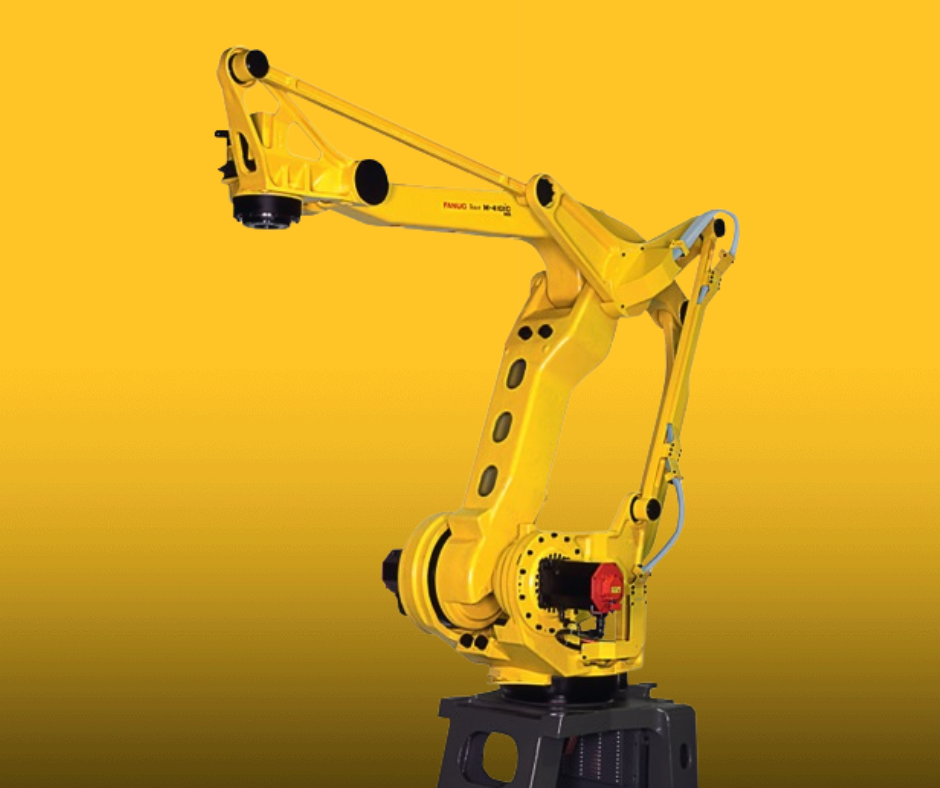
Robotic arms, also known as robot arms, are versatile mechanical devices created to replicate human arms’ functions but with greater precision and endurance. They are utilized across a range of industries, including automotive manufacturing, electronics assembly, and pharmaceuticals. They can complete repetitive, complex tasks with unparalleled precision. Robotic arms can be programmed, allowing for seamless integration in diverse manufacturing environments. They are able to provide a dynamic capability and flexibility to change operating requirements.
The robotic arm, which is the foundation of the modern world of automation, has a complicated system of joints that can rotate and execute linear displacements. The robotic arm can traverse complex spatial arrangements, manipulate objects with great precision, and make sure that human operators. In the end, many industries have accepted robotic arms as vital assets, streamlining production processes and boosting efficiency to unimaginable levels.
End effectors are an essential aspect of robotic arms. They serve as the functional equivalent to human hands. These end effects, which are usually designed to accomplish specific tasks, determine the scope of robotic arms’ applications. Robot hands that have specialized end effects can perform an array of tasks, from carrying heavy loads to delicately attaching complex components. For more information, click Arm Robot Industrial
Integration of robotic arms into manufacturing automation has led to an era of productivity and technological innovation. Businesses can enhance their manufacturing processes by using the capabilities of robot arms. They can also minimize human error and increase product quality. The seamless coordination of robot arms and automated machines has brought about significant advancements in the efficiency of operations.
The transformational effects of robotic arms go beyond just automation. It covers the fundamental transformation of industrial processes. The integration of industrial robots has optimized manufacturing workflows and paved the path for completely new production techniques. Due to their capability of performing tasks in difficult or dangerous environments robotic arms have increased the safety of workers while opening up new possibilities for complicated manufacturing processes.
Further, the growth of technology for robotic arms has resulted in the development of end effectors with innovative designs, that are specifically designed to meet industry needs. These end-effectors feature advanced sensory and gripping abilities, and they have increased the variety of robotic arm applications.
Companies in Australia have an opportunity to transform their competitiveness and operational capabilities as they embrace the potential of automation using robotic arms. Integration of robotic arms into industrial workflows can drive sustainable growth, increase overall efficiency and transform manufacturing. Robotic arms will revolutionize industrial automation by focussing on high-end engineering and efficiency.
In conclusion, integration of industrial or robotic arms is a key advancement in the field of industrial automation. Robotic arms, thanks to their unparalleled precision, flexibility and safety features have redefined manufacturing in the modern age. They provide businesses with a competitive advantage in a market that is becoming more competitive. As Australia recognizes the transformational potential of robotic arm technology businesses can profit from improved productivity, efficiency in operations, and innovation, underlining the pivotal role of robotic arms in shaping the future of automation in the industrial sector.