
Under normal conditions the drainage system may appear to be in good working order. However, a rainy day may reveal flaws in the property’s infrastructure. Parking lots flood. Detention ponds overflow too quickly. Access roads can be dangerous. The lower areas start to build up water. The issue in a lot of cases is not simply rain. It is that the site isn’t equipped to effectively move stormwater, when gravity alone isn’t enough.
A stormwater lift station becomes essential. These systems are designed to gather and drain stormwater out of areas where runoff naturally collects, aiding in protecting roads, buildings and utilities as well as outdoor areas. A lift station is essential for any project that is either residential, commercial, municipal or industrial. It can ensure that the facility is operational in the aftermath of a storm.
Stormwater management has to be designed around the actual location
Each property has its own way of managing runoff. A shopping center with a large parking area paved with asphalt will not behave as a subdivision for residential purposes, and neither of those are as suited as a industrial site or municipal drainage project. The construction of a stormwater drainage system is influenced by a number of elements, including flow rate, elevation of the site as well as detention requirements and discharge conditions.
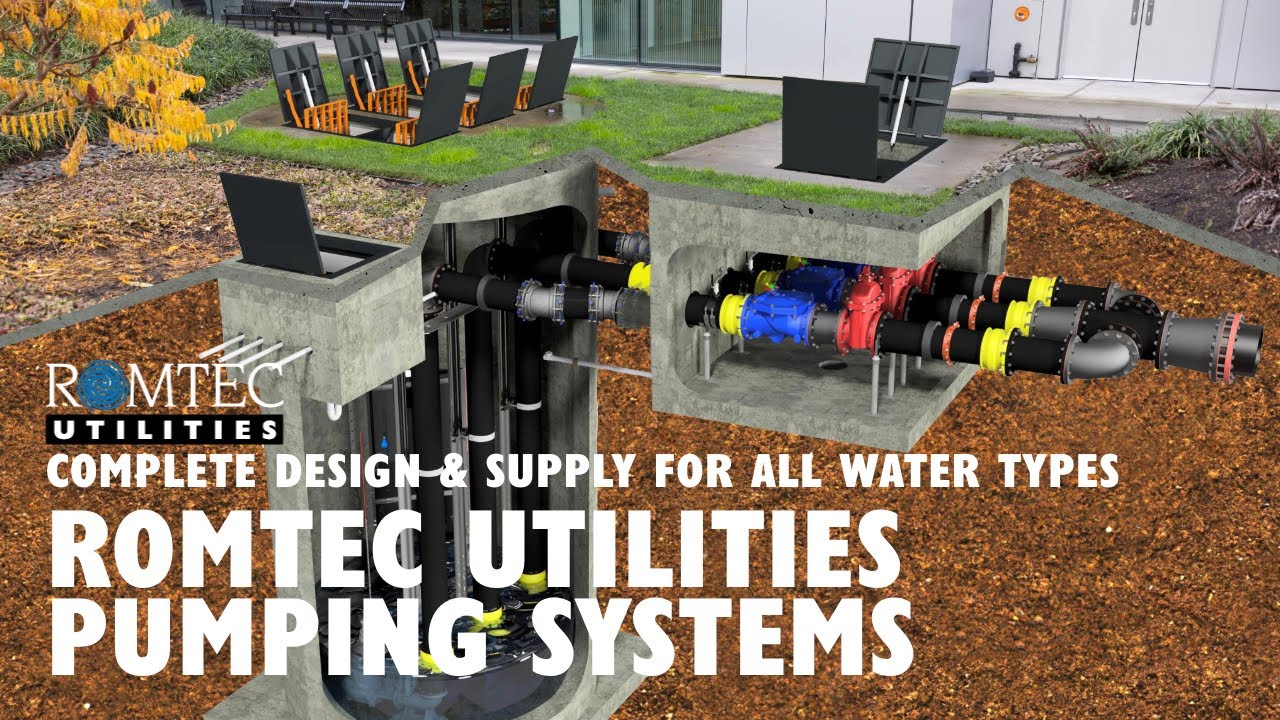
Romtec Utilities doesn’t treat stormwater pumping the same way as a standard package. The design of each system is based upon the specific pumping needs of each location. This could include: limit flooding, drain a detention pool, control runoff from a development as well as support a larger municipal network or support a larger municipal network. The ideal solution will be contingent on the volume of water that needs to be moved and how quickly.
A stormwater runoff pumping station is more than just a pump inside a vault
It is more than the use of high-powered equipment to construct an efficient runoff pumping station. It’s a system that integrates mechanical, structural and electrical components, with control to effectively and continuously manage huge stormwater volumes. To ensure that the station operates at its peak throughout its lifespan essential elements such as precise pump sizing, a strategic wet well design, sophisticated controls, durable piping, resilient power systems, as well as real-time monitoring all must work perfectly.
The complete integration of systems is what makes the most effective stromwater system design firms stand out. An exceptional design does not simply address an immediate drainage crisis; it takes a proactive, long-term approach. Top engineers are constantly thinking about the ease of maintenance over time as well as the future requirements for the site and the maximum efficiency of operations. The whole system has to be constructed to withstand the harsh environments and not be based on false assumptions.
Planning is essential regardless of whether you’re dealing with torrential floodwaters, or planning municipal systems subject to high pressures, like booster pump stations to supply pure water, in which failure isn’t an alternative. Romtec Utilities designs stormwater systems that are designed with these real-world realities in mind. They provide a range of pump stations that are built for various uses. These pumps come with documents, training, and startup support to ensure that the owner is in control of their system.
Better planning creates better flood protection
A stormwater pump station properly constructed can decrease risks of flooding, enhance site accessibility, and also protect the property around it from water destruction. The pump station is also able to improve a site’s resilience through ensuring that runoff in heavy rain is managed efficiently and quickly.
It’s easy to ignore the stormwater infrastructure, until it goes down. If runoff needs to be controlled, a sturdy stormwater lift station is a vital investment for any developer, the property owner or a municipality. With the right design and the right support, a strong stormwater management system helps keep a site safer, more functional, and better prepared for the realities of changing weather.