
Most people don’t think much about cooking oil yet it’s an ingredient they utilize every day. It’s easy to pick the bottle closest to you and assume it will work for anything. Oils behave differently depending on the temperature, flavour and composition of fats. Understanding the difference between oils is among the most effective ways to cook food that is better than home cooking.
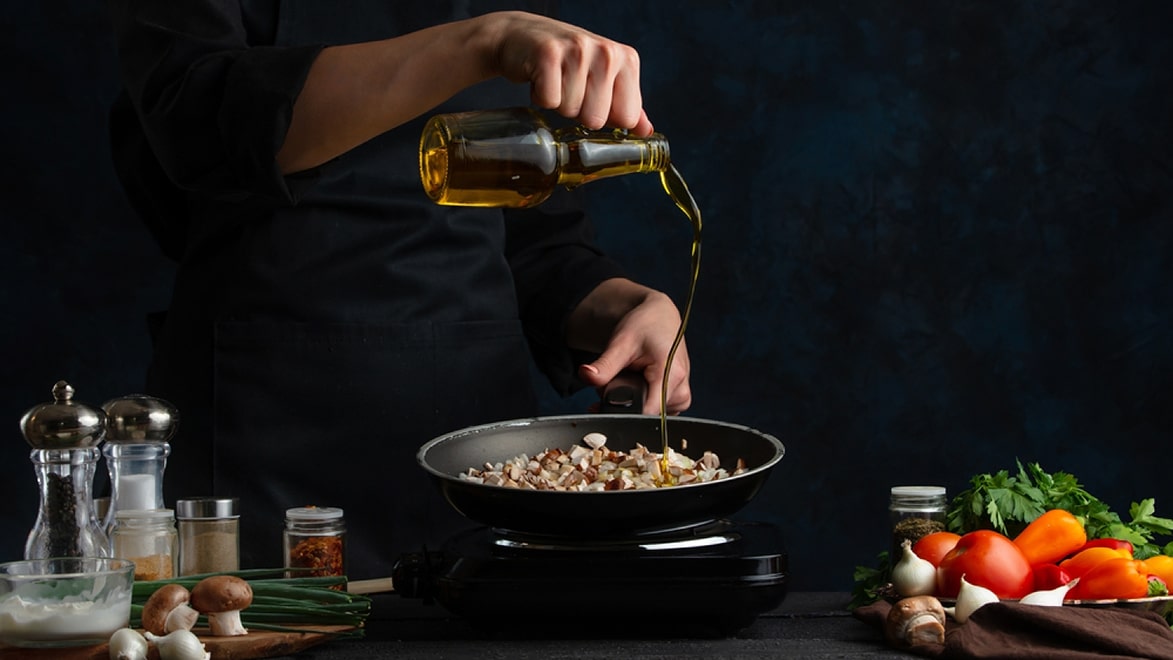
When it comes to choosing between coconut oil, and avocado oil for cooking your food, don’t make the choice solely based on headlines or trends. The decision should be in light of the performance of each oil in actual cooking conditions.
Why oil choice is important more Than You Think
Oil plays a crucial role in cooking. Oil transfers heat into food. Second, it adds flavor, subtly or notably. Thirdly, it influences nutrition according to the type of fat used as well as how stable it is at high temperatures.
Overheated oils start to break down. It also can cause unpleasant tastes and diminish nutritional value. If you are using the wrong oil, your food can taste bitter, bland or greasy.
Use Olive Oil with Intention when cooking
Olive oil is a popular and extensively researched cooking oil. It is made by pressing olives, it’s a great source of monounsaturated fatty acids, along with antioxidants like polyphenols as well as vitamin E.
Extra virgin olive oils possess flavors that are peppery and fruity. Olive oil is ideal for cooking, especially for salad dressings and marinades. It can also be used to roast vegetables, lightly sauté, or as a finishing touch to meals. In these cases the taste of food isn’t diminished, but it is enhanced.
The smoke point of extra virgin olive oils is lower than people are aware of. A refined olive oil is more suitable to cook at higher temperatures. It has a milder taste and a better heat tolerance. This makes it more suitable for frying in high temperature, baking, and roasting.
Olive oil is a nutritious and tasty product when used correctly.
Coconut Oil: Stable and Particular
Coconut oil performs differently as olive oil does. It is high in saturated fats which makes it solid under temperatures. Coconut oil is well-known for its stability.
The refined coconut oil has very little flavour and works well for frying or baking where heat stability is important. Unrefined coconut oil has a distinct aroma and coconut flavor. This flavour is great in curries, desserts, stir-fries and so on but can also clash with other food items.
In terms of health, it is better to make use of coconut oil less frequently than on a regular basis. It’s delicious in high temperatures, but is not as powerful in its antioxidant profile as avocados or olive oil.
Avocado Oil is Heat-Friendly Natural, Neutral and Non-Toxic
Avocado oil is popular due to the fact that it can withstand heat very well. Avocado oil for cooking has one of the highest smoke points of commonly used oils, which makes it ideal for searing, roasting, grilling, and frying.
The nutritional value of avocado oil is high in monounsaturated fats. It is also a source of vitamin E, which puts it on a par with olive oil than coconut oil when it comes to health benefits. The neutral taste makes it perfect for those who don’t desire the oil to alter the taste of your food.
Avocado oil is an excellent option for cooking at high heats.
How to Use Oils smartly
A single oil may not be the best to meet the needs of every project. The most practical approach is to keep several options available and use each intentionally.
Avocado oil is perfect for cooking that requires high heat. Avocado oil is ideal for high-heat cooking. Coconut oil can be used when stability in heat or its distinct taste is wanted.
When you understand these differences, you can cook more consistently and with less uncertainty.
Better Cooking Starts With Better Basics
It doesn’t take a lot of ingredients or intricate techniques. Simple, consistent choices made with knowledge are often essential.
Understanding how to use olive oil, coconut oil, or avocado oil for cooking is among the easiest ways to improve flavour as well as texture and confidence in the kitchen. Once you’ve got a good understanding of how oils function in the kitchen, all other things become simpler.