
The success of any attraction isn’t determined solely by its opening day. Five, ten, or 20 years after the opening is a good time to check out the park. Do you think the bathroom is still easy to maintain? Do the materials have acclimatized to weather and constant public use? Does the structure integrate with the surrounding park? Most importantly, did the original design be translated into a building that actually works?
These concerns show the reasons why comparing renderings will not be enough to select the best park design. Public architecture must survive the permit process as well as bidding, construction and maintenance, and many years of regular usage.
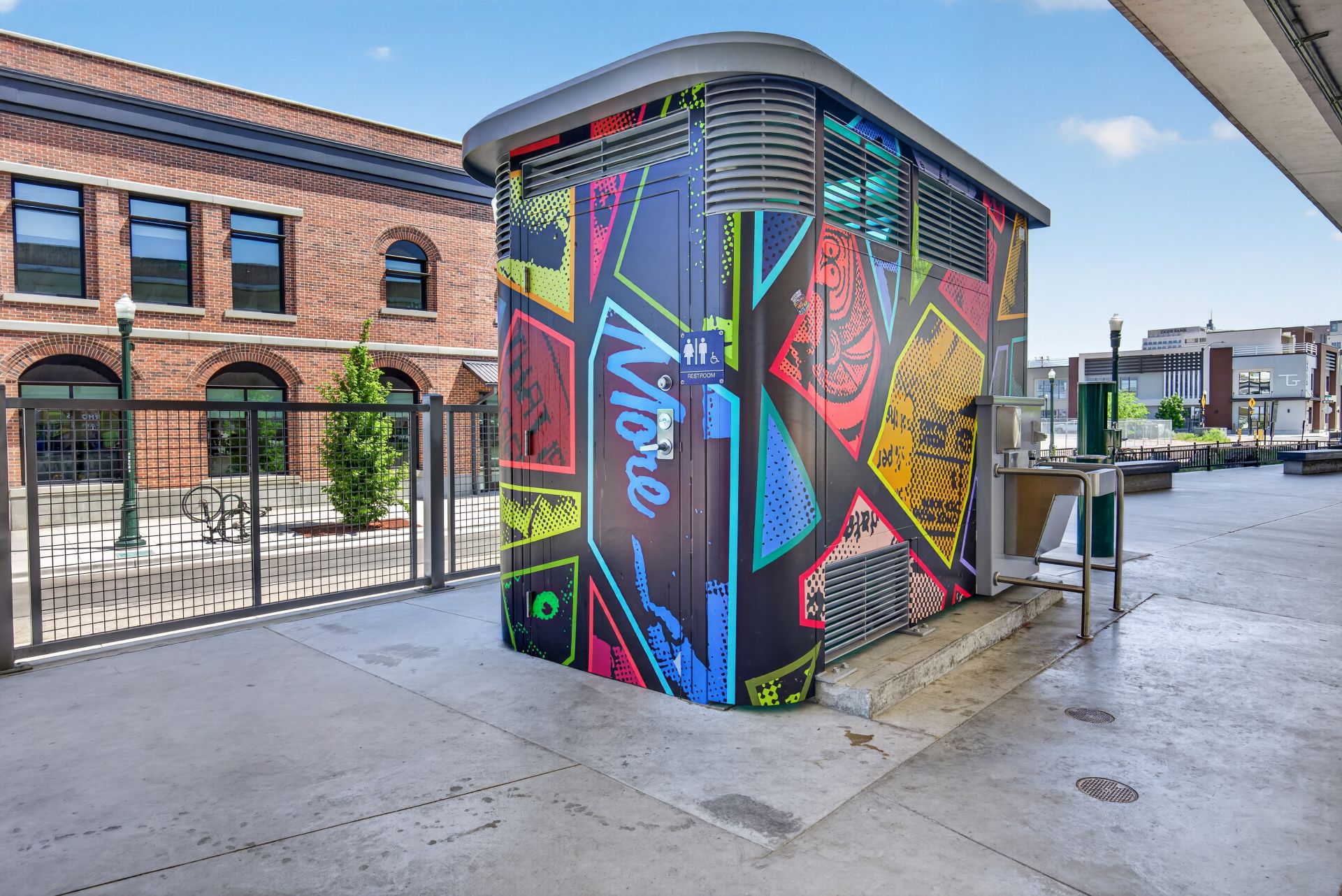
Image credit: romtec.com
Design Decisions have Operational Consequences
Think about something as simple as an exterior finish. It affects the appearance but also the requirements for cleaning, repairs cost, weather resistance and how graffiti can be removed. The design of the roof can improve the visual character of a park while also impacting maintenance and drainage. The layout of the interior can affect the accessibility of a park and the circulation of visitors cleaning, as well as fixture location.
Experienced best park restroom designers therefore have to think simultaneously about architecture and operation.
Romtec collaborates with landscape architects contractors, municipalities, and other project stakeholders to create custom restrooms instead of restricting the scope of projects to a select group of standard designs. Materials, shapes, and colors can be matched to the surrounding environment.
The Drawing must be a Building
The idea might look appealing on the screen, but it’s unlikely to construct or cost. The building codes, ADA requirements and local licensed architectural review as along with the components available such as structural requirements, construction costs are all factors to take into consideration.
Romtec supports projects with preliminary designs and estimates, bid sketches, specifications, renderings, engineered plans, and submittal documents. This involvement helps to carry the concept of architecture from initial planning through procurement and construction.
Owners must be aware of the middle portion of their project when looking for the most reliable builder for restrooms in parks. When the project is in transition between construction and design, inadequate specifications, improbable material choices, and insufficient coordination could result in significant costs.
Infrastructure includes public restrooms
The public restrooms are frequently overlooked as component of the park. They are more of an infrastructure, not much else.
A crowded bathroom can be used by visitors of all ages, including adults, children, maintenance staff, tourists, and people with disabilities throughout the day. Depending on the particular project, planners might need to take into consideration ADA accessibility as well as sturdy surfaces including utilities, vandal resistant as well as energy efficiency and clean access.
A campground is distinct from a central park. A sports venue could be subject to an influx of people during games however, a local facility might see moderate to constant daily usage. These differences should be considered when building the facility rather than following.
Budgeting without Planning Everything Out
Controlling costs is a necessity in public construction, but value engineering shouldn’t mean removing every distinctive feature.
Understanding the costs of the materials and construction in advance can enable designers to make better decisions. The funds could be diverted from a component with no functional value to a more durable material, a more durable fixture, or a feature that gives more significance to the building.
Romtec’s expertise in restrooms concessions, pavilions shelters, showers, and multipurpose facilities allow these discussions to take place while the designs remain flexible.
At the end of the day, a properly constructed park toilet will be a success since its users don’t need to worry about the toilet. It’s easily accessible, easy to locate, suitable to its surroundings, durable and constructed for years of use by the public. The apparent simplicity conceals the complexity of architectural, engineering planning, budgeting, and documentation.